90 Days Off Grid: A Realistic Plan for Your Household
Searches for "90 days off grid" jumped this year. Most plans fail for one reason: people buy gear before they do the math. This plan starts with the math, then builds up in steps you can afford.
Build up in four steps
Do not try to buy 90 days at once. Ready.gov advises a kit for several days first. Then grow it.
- 3 days: water, food, light, radio, first aid and medicines. See the basic kit guide.
- 2 weeks: double the water and food. Add a way to treat water.
- 30 days: a rotating pantry, a power plan and a sanitation plan.
- 90 days: long-term water, a garden start, and a plan with your neighbors.
Water: the biggest number
Ready.gov sets the minimum at 1 gallon per person per day for drinking and basic hygiene. Children, nursing mothers, sick people and hot climates need more. For 4 people over 90 days, that is 360 gallons before pets. Most homes cannot store that much, so a 90-day plan needs two parts:
- Stored water for at least 2 weeks, in food-grade containers.
- A way to make more safe water: boiling, unscented bleach, or a filter plus disinfection. See water purification.
Run the water and food calculator
Food: calories, not cans
Plan about 2,000 calories per adult per day. Store foods you already eat that need no refrigeration and little water. Ready.gov lists canned meat, fish, beans, fruit and vegetables, peanut butter, dry cereal and crackers. Add one week of food each time you shop instead of one large purchase. Rotate first in, first out. More in food storage for beginners.
Power: size it before you buy it
List the devices you truly need: lights, phone charging, a radio, a fan or heater fan, and any medical device. Add up the watt-hours per day. Then match a portable power station and solar panels to that number. See solar generators explained.
Sanitation and health
Disease spreads fast when water and sewer systems fail. Keep soap, hand sanitizer, garbage bags and a toilet plan. Keep a 90-day list of prescription refills and talk to your doctor about extras. Keep copies of documents and some cash. See hygiene and sanitation and money and documents.
You cannot do 90 days alone
Long outages are survived by blocks, not bunkers. Meet your neighbors, learn who has medical or trade skills, and agree on a meeting place. See rebuild your community.
90-day checklist
- 2 weeks of stored water, plus 2 ways to treat more
- 30 days of rotating food, growing toward 90
- Manual can opener, cooking method that is safe outdoors
- Power plan sized in watt-hours
- First aid kit and a certified first aid / CPR class
- Prescription plan and copies of documents
- Family comms plan with a meeting place
- Neighbor contact list and skills list
Recommended gear
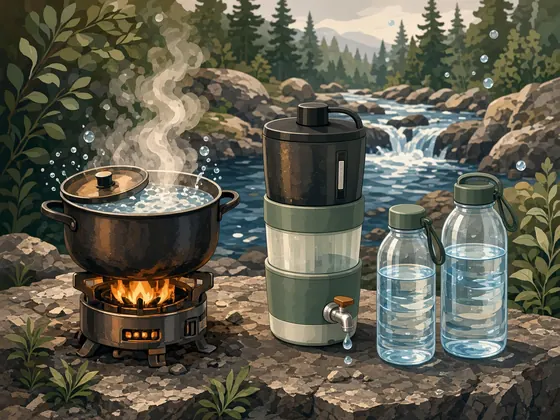
Best Emergency Water Filters and Storage
How to choose a portable or gravity water filter, water storage containers and disinfection tablets for emergencies.
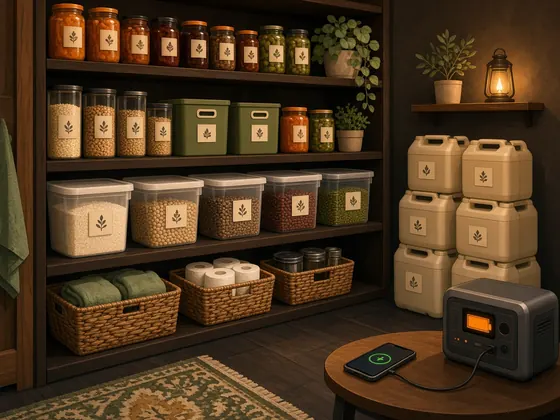
Food Storage Supplies
What you need to store food for 30 to 90 days: food-grade buckets, Mylar bags, oxygen absorbers, rotation racks and long-shelf-life meals.
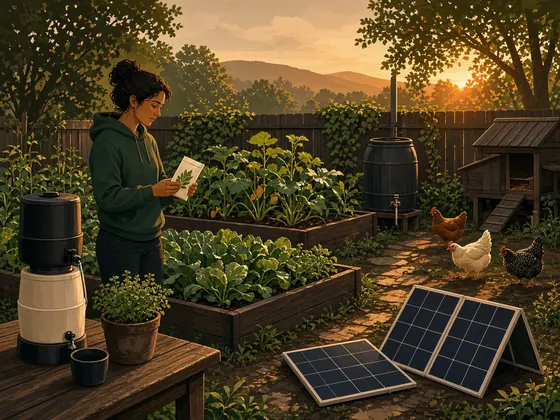
Solar Generators and Portable Power Stations
How to pick a portable power station and solar panels for outages. Size watt-hours and watts first, then compare models.
Affiliate disclosure: Some links on this page are affiliate links. If you buy through them, we may earn a commission at no extra cost to you. As an Amazon Associate I earn from qualifying purchases. Read our affiliate disclosure.
Sources
- Ready.gov: Water
- Ready.gov: Food
- Ready.gov: Build a Kit
- Ready.gov: Power Outages
- CDC: Carbon Monoxide Poisoning Basics
- Ready.gov: Make a Plan
Sources checked 2026-11-17. Official guidance changes; always follow your local authorities.